July is National Cord Blood Awareness Month.
When mothers give birth to their children, they are presented with many decisions to make the day they give birth. One of the decisions is whether to donate or bank cord blood after their children’s birth. When I gave birth to my children, I did not hesitate to donate their cord blood thanks to my nursing career in pediatric hematology and oncology. I know my nursing background gave me that education on the benefits of donating their cord blood.

What is cord blood?
Cord blood is the blood found in the umbilical cord once it is cut after childbirth. It looks like regular blood and contains red blood cells, white blood cells, platelets, and plasma. It contains stem cells (which are found in the bone marrow and help the immune system) that can be used as a lifesaving treatment for blood cancers, genetic conditions, and blood disorders.
Do I qualify to donate cord blood?
To donate cord blood, the mother typically has to be 18 or older, cannot be related to the father, has to be expecting a single baby (multiples end up with less stem cells since they have smaller placentas), and no history of cancer, chemotherapy, or recent transplant or transfusion. There cannot be any new piercings or tattoos within 12 months prior to donation. In order to donate, the baby cannot have any fetal abnormalities and the mother cannot have been in contact with someone who got the smallpox vaccine during their pregnancy. These are a few of the qualifications in order to donate cord blood. A more comprehensive list can be found on the NMDP website.
How can you donate cord blood?
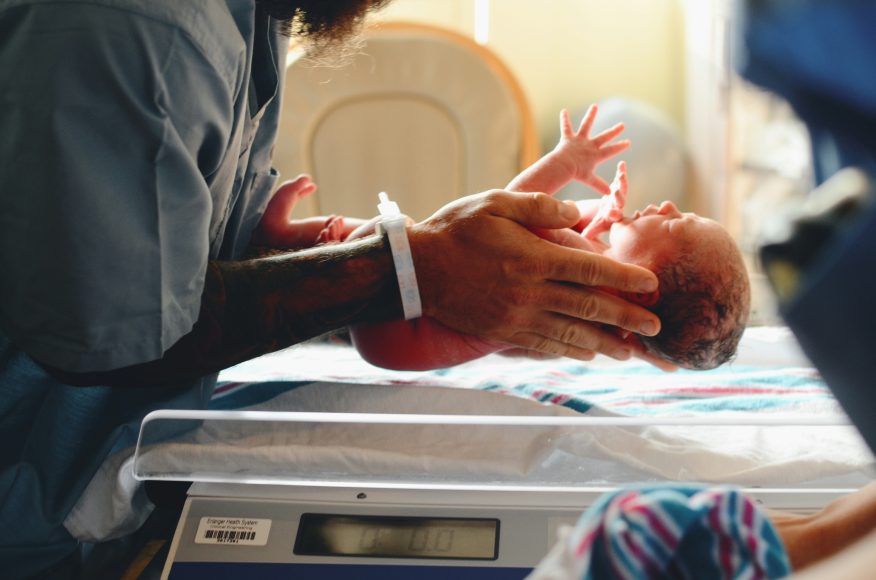
During a prenatal visit, the topic of donating cord blood is usually discussed. Before the donation can happen, a consent form will need to be signed and a health history will be obtained. Once your child is delivered and the umbilical cord is cut, the blood is removed from the cord into a collection bag. The process takes only a few minutes and is safe for both baby and mother. The hospital will send the cord blood off to the cord blood bank.
What happens after you donate cord blood?
Once the cord blood is received at the cord blood bank, it is processed, typed, and screened for diseases to ensure it is safe to use. It is then cryogenically frozen until a match is found. Once it is stored, it is placed on the bone marrow registry until a match has been identified. All public cord blood banks are regulated by the FDA to ensure cord blood is collected and stored safely.
What are the pros of donating cord blood?
The biggest pro is that your child’s cord blood can be used for someone who needs a stem cell transplant to save their life. Research has found that stem cells can help treat over 80 diseases and types of cancers such as lymphoma, leukemia, and sickle cell disease. Donating cord blood does not change the labor and delivery experience and does not affect the mother or baby physically in collecting. Donations are anonymous and no one will know the cord blood came from your baby. There is no cost to donating cord blood. The cost of collecting, processing, and storing is covered by the public cord blood bank. If cord blood is not donated or privately stored, it will just get thrown away.
Are there any negatives to donating cord blood?
The negatives are that there are eligibility requirements so not everyone is able to donate cord blood and sometimes, cord bloods don’t have enough stem cells for transplant, thus rendering them unusable. If the cord blood does have too few cells, it could then be used for research, which ends up being a positive.
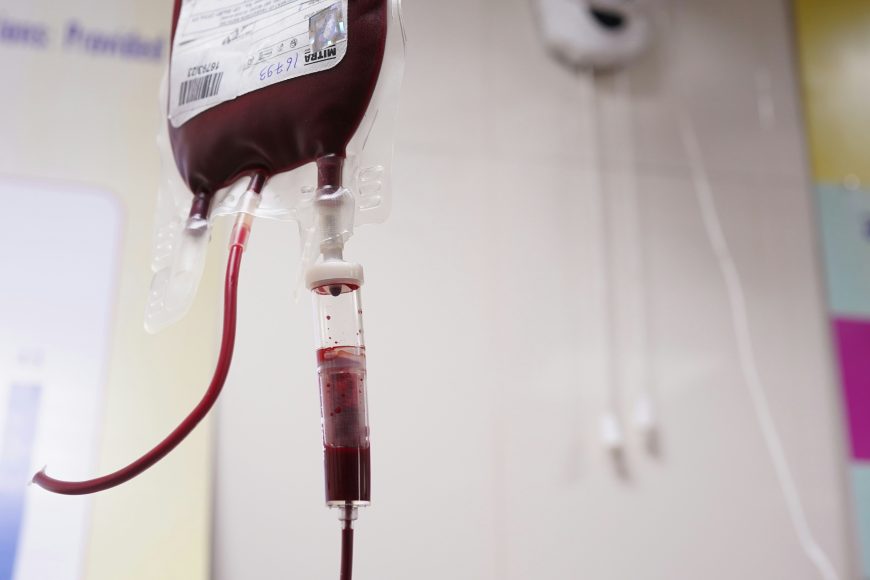
As a patient recently received a bone marrow transplant, I will never forget the gratitude and amazement her family had for a mother’s decision to donate cord blood. This simple act of generosity provided this young girl not only hope for her future, but a chance to live her life again just as a child should.
For more information about donating cord blood or the process, please check out the National Marrow Donor Program.