I’ve always been a planner.
We planned our wedding.
We planned when we would start our family.
We planned the move.
We planned the car.
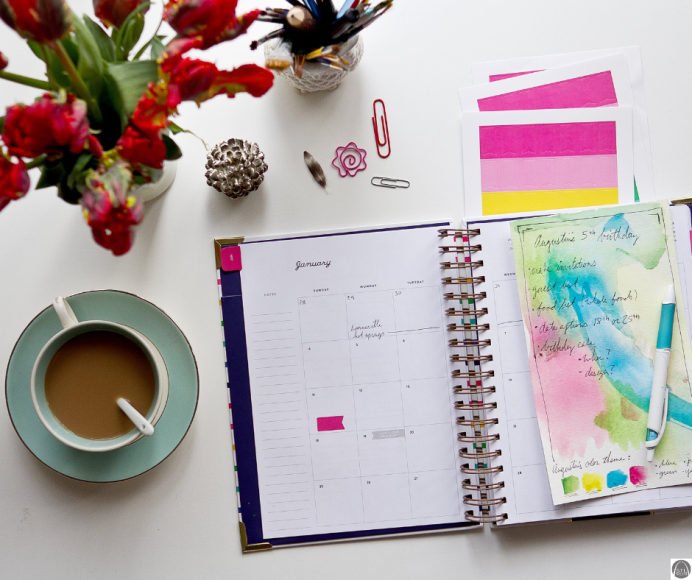
But what do you do when the plans you carefully crafted fall flat?
I didn’t plan for COVID to last as long as it did.
I didn’t plan to feel isolated for years or to lose several family members to a virus that hit at-risk communities the hardest. I didn’t plan to raise my daughter in survival mode while trying to keep my business alive, my marriage steady, and my spirit intact.
And now, four years into her little life, I still find myself asking: Am I doing this right?
For two years, we were blessed with a Lutheran private school just a short walk from our house. It felt safe, close, and familiar. But as our daughter grew, so did my vision for her education. We made the tough decision to move her to a school further away—one that holds academic excellence, cultural inclusion, and teachers who reflect the students they serve. In today’s political climate, representation has become more than a preference. It feels necessary.
But with every new decision comes another layer of “hard.” Tuition increases. Rising grocery bills. Inflation gnawing at every margin we thought we had. Even as I stabilize my income again, it feels like a never-ending rat race.
They say, “Man plans, and God laughs.” I don’t know if God is laughing at me or simply trying to redirect me, but the last few years have shown me that the real test isn’t in making the plan—it’s in how you live when the plan collapses.
And here’s where I found my turning point.
I could keep reacting, crying, praying, hoping someone else would fix it. Or I could step forward and advocate for the change I wanted to see in my community. This summer, in the middle of tornado relief efforts and conversations with our local Board of Aldermen, something shifted. For the first time, I wasn’t waiting on solutions. I was part of them.
That empowerment pushed me into another decision I never saw coming: I threw my name into the ring and ran for alderwoman in my municipality.
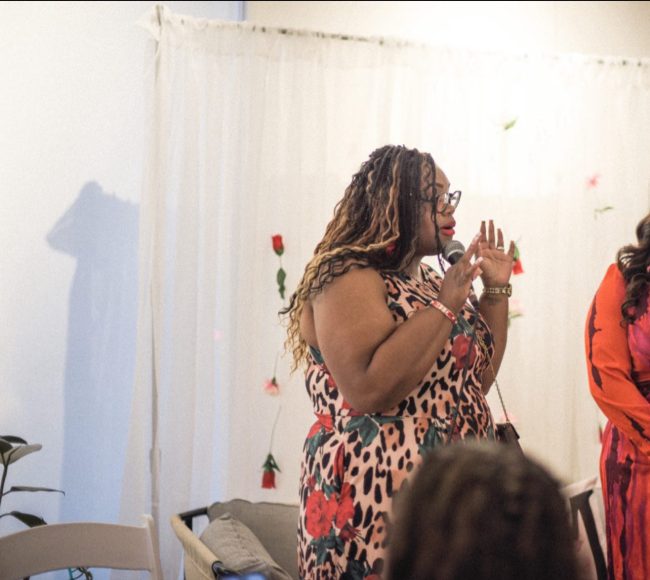
Because if there’s one thing these years have taught me, it’s that moms can’t afford to just hope for a better future for our kids. We have to advocate for it. We have to activate it. We can’t leave a world where we had more privileges than the children we’re raising. That’s not legacy.
So yes, it really is this hard. Harder than I imagined when I first laid out the plans of my twenties and thirties. But in the middle of the hardship, there is still hope. And maybe the question isn’t just “Is it supposed to be this hard?” Maybe it’s “What can I do, as a mom, to make it a little easier for the children coming after me?”
Because that’s where the legacy is built.