November is National Marrow Awareness Month. As a pediatric hematology/oncology/BMT nurse, I have been privileged to witness firsthand the gift that donated bone marrow has provided for my patients. The gift of a second chance to live their lives, getting to be kids and going back to school and playing sports, and letting their parents continue to watch them grow.
Every year, more than 17,000 people are diagnosed with life-threatening illnesses that require a bone marrow transplant. 7 out of 10 patients don’t have a fully matched donor in their family. This is when their coordinator would turn to the bone marrow registry to find a match for them. The more people who are registered to donate marrow, the more patients can be given the chance to survive their disease.
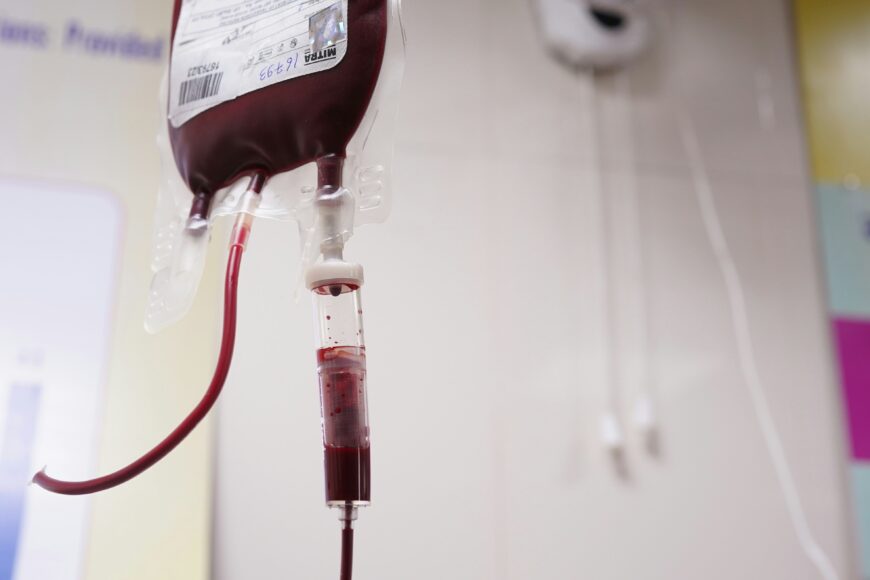 What is Marrow?
Marrow is a soft tissue that is found inside bones that contains blood stem cells. The stem cells grow a variety of blood cells, including red blood cells, white blood cells, and platelets that are dispersed throughout the body. Donated blood stem cells can be used to treat or cure over 75 diseases, the most common being sickle cell and cancer such as leukemia and lymphoma.
Am I Eligible to Donate Marrow?
To be eligible to donate marrow, there are several critera. You need to be between 18-35 years of age, a resident of United States, and able to meet health guidelines. To see the health guidelines, visit https://www.nmdp.org/get-involved/join-the-registry/donate-pbsc/medical-guidelines
How Can I Donate?
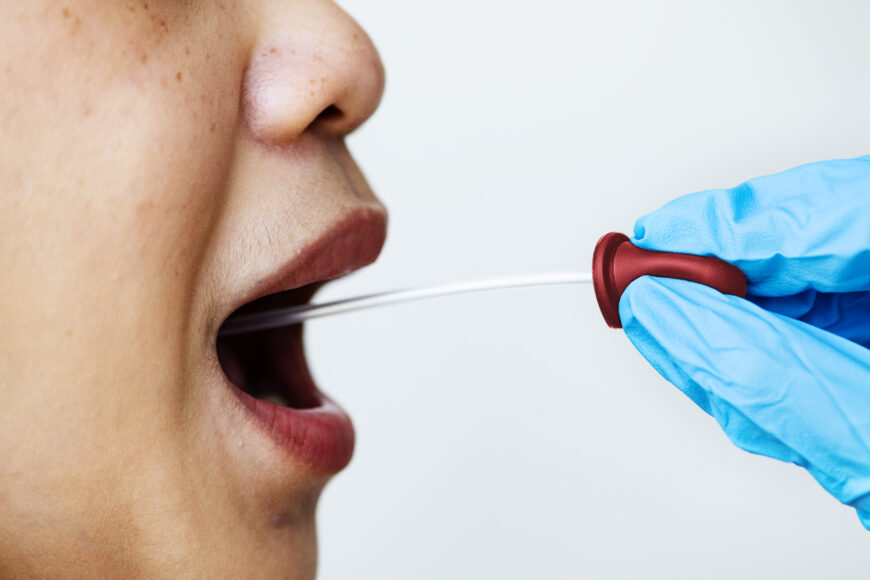
To donate marrow, go to NMDP’s website (National Marrow Donor Program) to order your free swab kit. When ordering, you will answer a few questions. Once you receive the kit, you will follow the steps listed in the kit to swab your cheeks and send it back to the program with the prepaid envelope they enclosed in the kit. The samples are processed and then your tissue is added to the registry. Finding a match can be quick or it can be years if at all. In the meantime, you can keep your commitment by keeping your contact information and any significant health changes updated.
 What if I am a Match?
If you are a match, that is great news! You could potentially save a life and give someone a second chance at life. When a match is found, you will be contacted and you do need to respond quickly. You will need to do additional blood testing to confirm you are the best match. You will need to do a physical exam to ensure you are healthy to donate. Your potential recipient could be anywhere in the world. But don’t fret. All costs associated with blood testing, physical examinations, and travel (including meals, hotels, and flights) is covered by the NMDP. Days missed from work are also covered.
There are two ways you can donate. Blood Marrow donation or Peripheral blood stem cell donation. The method for collection will be decided by a doctor based on what would be best for the patient. Peripheral blood stem cell is the most common collection and involves collecting blood from an IV in one arm to a machine that collects the stem cells, and then returns the blood to another IV in the other arm. This can be done outpatient. Blood marrow donation involves getting anesthesia while the doctors draw liquid marrow from both sides of the back of your pelvic bone where marrow resides. This can take up to 2 hours long and while most patients go home the same day, it is possible to have an overnight stay.
After collection, recovery can take up to a week, depending on the donation method.
If you have donated marrow or stem cells, thank you for taking the time and all the sacrifices you made to give a person another chance at life. It does not go unnoticed.