As a mom, you’re on top of your kids’ schedules. From soccer practice to doctors’ visits, you have a plan. And one thing you may have already planned on doing can help keep your child healthy for the rest of their life: getting vaccinated. There are many vaccines that kids get that prevent serious diseases, but did you know that one vaccine can prevent several major forms of cancer? The HPV vaccine protects vaccinated kids from developing head and neck cancers as well as certain cancers like cervical cancer. Let that sink in. The HPV vaccine is the first vaccine to prevent cancer, and you can give that protection to your kids!
 What is HPV?
The human papilloma virus, also known as HPV, is common among people. Statistics show that 80% of people will come into contact with the HPV virus through sexual intimacy at some point in their lives. Safe sex practices, including abstinence, don’t give 100% protection from exposure, so that makes vaccination the best possible way to prevent HPV infections. Because HPV is known to cause several kinds of cancer, physicians encourage getting kids vaccinated well before they are even exposed.
Many viruses we catch, our bodies can fight off or “clear” eventually. But coming into contact with HPV without being vaccinated leaves people vulnerable to the virus sticking around and eventually causing a cancer later on in life, long after that initial exposure.
Wait. Some cancers are caused by a virus???
Yes! Physicians have suspected for a long time that certain viruses cause different cancers. HPV is one of those viruses; we know HPV causes 6 kinds of cancers:
- Cancers of anus, cervix, penis, vagina, and vulva, known as the anogenital region
- Cancers in the head and neck, known as oropharyngeal cancers, including tonsils and base of the tongue
Right now, the HPV vaccine is the only vaccine that can effectively prevent cancer throughout a person’s whole life.
 Who should get the HPV vaccine?
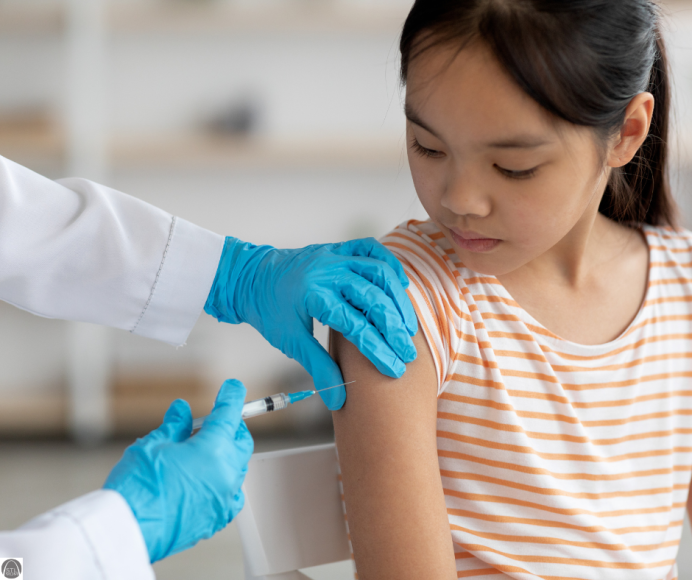
The CDC strongly recommends all kids receive the HPV vaccine. Prevention is the best tool for fighting cancer. Getting 2 shots as a tween or 3 shots starting at age 15 on through adulthood at age 26 can significantly reduce cases of all 6 cancers. The vaccine isn’t just for girls and women who want to prevent cervical cancer. It is for boys and men too. HPV causes non-gender specific cancers, including head and neck cancers, which are much more common in men than women.
When do kids get vaccinated for HPV?
Kids as young as age 9 can get the HPV vaccine. It’s common for kids to begin the shots around 11 or 12 years old when they are young enough to not be exposed. Six months to a year after the first shot, it is important to get the second to have full immunity against HPV. And if your child is older, they can require three shots. This begins at age 15. Even if you child has been exposed to some sexual activity, there is still a benefit in getting vaccinated – they may not have been exposed to the virus yet, and prevention and clearance of the virus is still possible.
What do I say to my pediatrician to get my child vaccinated for HPV?
It’s common for pediatricians (or physicians) to bring up the vaccinations your child is eligible for. But if they haven’t mentioned the HPV vaccine yet, and your kid is nine or older, you can request the two-shot series. It is as simple as that! If you feel the need to explain why, mention the benefits of cancer prevention over a lifetime for both men and women.
Can adults be vaccinated for HPV?
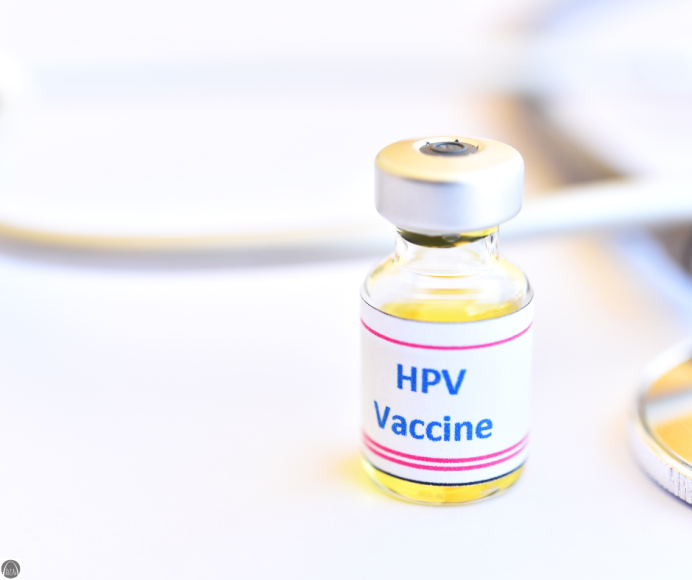
In 2018, the HPV vaccine Gardasil 9 received FDA approval for adults. The approval meant expanding eligibility to adults older than 26 years old and up to age 45. The new group of younger adults can now receive the vaccine in a 3-shot series.
But even though you can, does it mean you should get the vaccine after age 26? Discussing eligibility or helpfulness with your physician is important for adults in this age range. There are a few reasons why having a conversation is important. One is the financial aspect of vaccinations. Insurance does not always cover these, and the out-of-pocket cost can be pricy. Also, the effectiveness needs discussion. Studies indicate many adults have already been exposed to the HPV virus through sexual intimacy by this stage in life. But that statistical trend may not mean you. If you’re interested in exploring the HPV vaccine for yourself and are between the age of 26 and 45, ask your doctor! They will help guide you to what is best for your specific case.
 How can adults be screened for head and neck cancers?
Even though HPV causes many different kinds of cancer, our screenings for those are not the same and are not as precise. For example, an initial head and neck cancer screening is not as cut and dry as a PAP test swab for cervical cancer. But, if you go to your annual checkups and get your teeth cleaned regularly, you are already being screened for head and neck cancer. You just didn’t know it!
At your annual physical, your provider feels along your neck, clavicle, and jawline. Plus, they look inside your mouth and at the back of your throat. All of those checks are done so quickly, they hardly register to you, but they are effective ways for your provider to feel or see any abnormal growth in your head and neck.
You can also help screen for these cancers outside of this regular checkup by occasionally feeling your neck, too. If you feel a lump and it lasts more than 2 weeks, you need to have it checked out by your primary care doctor. Often HPV related neck cancers present as a neck mass with no other symptoms, usually coming up near your jaw just below your ear lobe.
What are some common symptoms of head and neck cancer?
Head and neck cancers are rare, occurring in just 4% of cases in the U.S. That’s about 60,000 people a year. So it is very unlikely you or your child will develop it. (And there’s a surefire way you can prevent it for your child through vaccination!) But it is good to know the signs, so you know when to see an expert. If you notice one of these, make an appointment with your doctor:
- A lump that can be seen or felt through the skin
- A change in voice quality
- Difficulty swallowing
- Pain in your mouth including tongue, teeth, or even ears
- Decreased sense of smell or complete loss of smell
- Decreased sense of taste or complete loss of taste
Many of these symptoms can be caused by common illnesses, like a cold or sinus infection. That is why it is important to get a physician’s input. If they see something of concern, they can refer you to the Head and Neck Tumor Center at Siteman Cancer Center, or you can request an appointment directly.


Did you know St. Louis Children’s Hospital has six pediatric ER locations across the St. Louis and southern Illinois region? These include:
St. Louis Children’s Hospital
Children’s Hospital at Memorial Hospital Belleville
Children’s Hospital at Memorial Hospital Shiloh
Children’s Hospital at Missouri Baptist Medical Center
Children’s Hospital at Northwest HealthCare
Children’s Hospital at Progress West Hospital
Adopting healthy habits, modeling them to your kids, and encouraging them to make small changes over time can help your whole family reduce their cancer risks. Learn more about Siteman Cancer Center’s 8ightWays® here.
Sources:
GetScreenedNow for Zip Code Search
Siteman Cancer Center’s HPV+ Content
 Andrea Martin is a Content Strategist at Siteman Cancer Center and joined the team in 2023. Her writing connects patients with helpful information as they navigate their cancer journey. While not a mom, she is a devoted helicopter parent to her cat, Captain.